Exploring The Sustainability Features In Modern Homes
As we confront the growing realization of the harsh impacts of climate change, the focus on sustainability has permeated various aspects of our lives.
 feelingcrazee
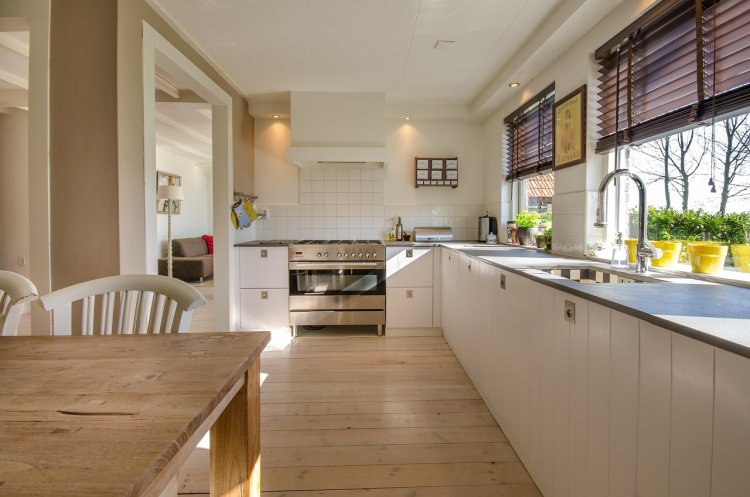
As we confront the growing realization of the harsh impacts of climate change, the focus on sustainability has permeated various aspects of our lives. One crucial area that has gained significant relevance over the past decade is home design and improvement. Our homes aren't just our shields against the elements anymore. They now bear the potential to be bastions of sustainability, incorporating various design elements that reduce our carbon footprint drastically. This article delves deep into the world of sustainable homes, reflecting on the current reality while peering into an optimistic future.
The Environmental Impact Of Homes
Traditional homes, while undoubtedly comfortable and aesthetically pleasing, contribute significantly to environmental degradation. These homes often rely heavily on non-renewable energy sources, generate substantial waste, and integrate materials sourced through ecologically damaging processes. While the impacts of these practices are far-reaching and severe, they also represent an opportunity to shift towards more sustainable practices. By embracing a sustainable design ethos, we can create homes that are not only more efficient and durable but also more environmentally responsible.
Stepping Into The Green Revolution: Sustainability In Modern Architecture
Modern architecture has begun to mirror our contemporary concerns about the planet. It is evident in the gradual integration of sustainability as a central theme within the domain. This trend has architecture professionals and homeowners borrowing from age-old building techniques, using recycled materials, and employing technology to make homes more energy and water-efficient. In doing so, sustainable architecture aims to reduce environmental impacts while enhancing the living experience through natural light use, better air quality, and overall improved health.
Essential Elements Of A Sustainable Home
Energy Efficiency
Sustainable homes prioritize energy efficiency as a crucial design element. It involves optimizing household appliances' energy use, incorporating efficient heating and cooling systems, and capitalizing on renewable energy sources like solar power. By reducing reliance on traditional electricity sources, homeowners can significantly decrease their energy costs and reduce their carbon footprint.
Water Efficiency
Water efficiency in sustainable homes extends beyond just low-flow faucets and showerheads. It includes rainwater harvesting systems, greywater recycling, and landscaping that requires minimal irrigation. This holistic approach to water conservation not only saves precious resources but also converts homes into eco-friendly havens.
Sustainable Building Materials
The use of sustainable building materials like recycled metal, reclaimed wood, and bamboo forms the backbone of a sustainable home. These materials, which are either renewable or reclaimed, significantly reduce the impact of construction on the environment.
Indoor Air Quality
A healthy, sustainable home ensures good indoor air quality by using low VOC (Volatile Organic Compounds) paints and materials, integrating good ventilation, and favoring natural light over artificial lighting. This not only reduces energy use but also contributes to the residents' overall health.
Real-Life Inspirations: Exploring Sustainable Features In Modern Homes
Solar Panels
When discussing energy-efficiency, we can't overlook solar panels. These devices harness renewable energy, lessen the reliance on traditional energy sources, and even act as a financial asset. An example of this is Martin and Zoe's home in Melbourne, which integrates solar panels into the design, generating most of the family's energy needs.
Rainwater Collection Systems
Rainwater harvesting is not a new concept, but modern homes have perfected its adoption. Just take a gander at a residence in Perth that uses a sophisticated rainwater collection system providing water for toilets, laundry, and garden irrigation.
Passive Solar Design
Passive solar design uses the sun's movement to maintain a comfortable temperature indoors, lessening the reliance on conventional heating and cooling systems. Such a feature is noticeable in the Davis residence in Adelaide, which has integrated passive solar design together with solar panels and natural ventilation to achieve energy efficiency.
Natural Insulation
Natural insulation involves using sustainable materials like wool, cellulose, and cork to maintain the home's temperature. The GreenSheep House in Sydney exhibits this brilliantly– it maintains a stable temperature year-round with the help of sheep wool insulation.
Local Experts Weigh In: Interviews And Insights
To highlight the practicality of adopting sustainable features, we spoke with leading Australian architects and interior designers who have championed sustainable design. Samantha Lynch, renowned architect and advocate for green buildings, shares her insight into creating homes that are not just sustainable but also aesthetically compelling. Designer Oliver Walsh, known for his strong emphasis on reusing and recycling, sheds light on incorporating these elements into the home without compromising on style and comfort.
Scaling Sustainability: How To Adopt Green Features In Your Home
Embracing sustainability doesn't always require a total home makeover. Sometimes, it's as simple as sealing windows and doors for better insulation, installing solar panels, or building a rainwater harvesting system. Start with small steps like energy-saving appliances or LED lights. Gradually, you can move on to more substantial elements like green roofs and recycled materials.
The Local Context: Challenges And Opportunities In Australia
Australia's diverse climate and landscape pose unique challenges. However, they also present a variety of opportunities for sustainable home design. For instance, the abundant sunlight provides ideal conditions for solar energy use, and architects can design homes to leverage the ocean breeze for natural cooling.
Conclusion
As the world grapples with the realities of climate change, creating sustainable modern homes isn't just an architectural preference– it's an imperative. While making a home completely 'green' may seem daunting, even small steps can have a significant impact.