How to Maintain Commercial Flooring for Longevity
Ensure the longevity of your commercial flooring with consistent maintenance. Routine cleaning, quick damage repair, and protective treatments help preserve its appearance, enhance durability, and reduce replacement costs over time.
 hayleypotter
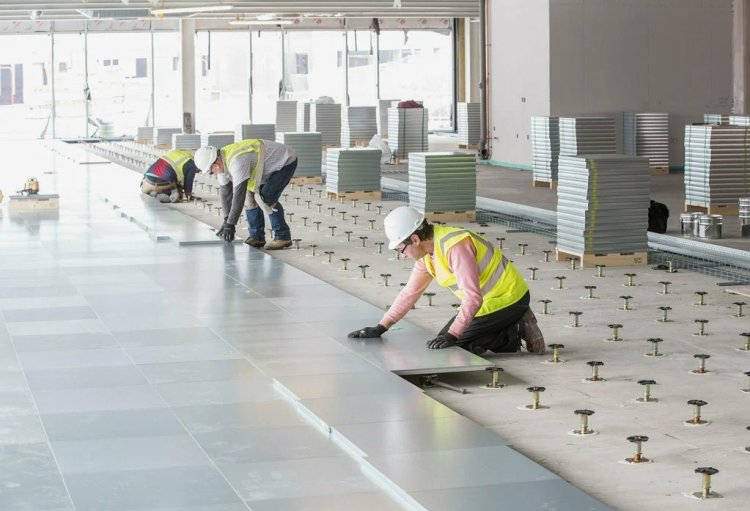
Have you ever walked into an office building and noticed dull, worn-out floors that look like they’ve seen better days? Do you find yourself wondering if there’s a simple way to keep commercial floors gleaming without breaking the bank? If so, you’re in the right spot. In this guide, we’ll look at commercial floor maintenance strategies that help you achieve durable, attractive flooring for years to come.
There’s a lot to unpack when it comes to keeping commercial flooring in top condition. Different materials have their own quirks, cleaning routines, and challenges. Some floors need gentle daily touch-ups, while others thrive with weekly deep cleans. By the end of this post, you’ll have practical insight into the 4 steps in floor cleaning and maintenance, helpful tips for laminate flooring care and maintenance, and guidance on avoiding common errors. Whether you’re a business owner, facility manager, or just someone keen on good flooring advice, you’ll find plenty of ideas to keep your space welcoming and safe.
So, get ready to explore the main types of commercial flooring in Australia, discover essential cleaning tools, and learn how to set up a sustainable maintenance plan. We’ll cover everything from preventing scratches and water damage to spotting signs you may need professional advice. Let’s jump right in and uncover the secrets to long-lasting commercial floors.
Introduction to Commercial Floor Maintenance
Commercial floor maintenance may sound complicated at first, but it’s actually quite straightforward once you understand the basics. Whether your space features laminate, vinyl, or ceramic tiles, there are general steps that can keep your floors looking sharp. Plus, daily upkeep often saves you from expensive replacements down the line.
Why Proper Maintenance Ensures Flooring Longevity
Proper maintenance is a critical piece of the puzzle if you want floors that stand the test of time. Regular sweeping and mopping, combined with occasional polishing or refinishing, prevents issues like discolouration and premature wear. Keeping up with vacuuming and dust control minimises abrasions caused by dirt and grit, which can act like sandpaper beneath your feet.
Performing these tasks not only prolongs your flooring’s lifespan but also boosts workplace morale by offering a clean and professional appearance. After all, nobody likes to work or shop in a place with grimy floors! When you protect your investment with consistent care, you lower the risk of having to replace sections or entire floors early.
Common Types of Commercial Flooring in Australia
Australian businesses have plenty of flooring choices. The most common types include vinyl, laminate, carpet tiles, ceramic tiles, and polished concrete. Vinyl is recognised for its resilience and low maintenance needs, making it a favourite in medical facilities and schools. Laminate flooring is also growing in popularity due to its stylish appearance and simple cleaning routine.
Meanwhile, carpet tiles remain a go-to for office spaces looking to dampen noise and create a cosy atmosphere. Ceramic tiles, often found in food-related or wet areas, are prized for their water resistance. Lastly, polished concrete has become a trend in modern workplaces that enjoy industrial-chic aesthetics, thanks to its ability to handle heavy foot traffic and machinery. Each type has unique cleaning demands but broadly benefits from consistent upkeep.
Essential Tools and Products for Commercial Floor Maintenance
Having the right tools is a game-changer. By investing in quality equipment, you make day-to-day upkeep simpler, saving staff time and reducing the risk of missed dirt or residues. From vacuum cleaners to neutral-pH solutions, a well-chosen toolkit keeps floors shining.
Choosing the Right Cleaning Equipment
Selecting cleaning machines depends on floor type and the building’s size. For smaller offices with carpeted sections, a durable vacuum with strong suction is crucial. Hard floors may benefit from an industrial-grade mop or an auto-scrubber if you have spacious halls or warehouse-like layouts. It’s vital to ensure you factor in noise levels too—an excessively loud machine can disrupt daily operations.
When deciding on a sweeper, look for one that handles corners well. That way, you don’t leave behind dust lurking near the walls. Likewise, if you use a buffer or burnisher, be certain it matches your floor’s material to prevent unintentional scratching. Proper equipment maintenance, such as replacing worn-down brushes, also goes a long way toward effective cleaning.
Safe and Eco-Friendly Cleaning Solutions
The cleaning product market can be overwhelming, but eco-friendly solutions are increasingly popular. These usually carry fewer harsh chemicals, making them safer for both employees and patrons. Consider neutral-pH cleaners that don’t corrode floor finishes or harm the environment after being poured away.
Safe chemical options minimise allergic reactions and reduce toxic residues. If you’re unsure which solution is best for your floor, consult the manufacturer’s recommendations or ask a local specialist who understands Australian regulations. Using green cleaning products often helps preserve your floor’s protective sealants, prolonging its life while also taking care of the planet.
Which Cleaning Products Are Best for Laminate Flooring?
Laminate flooring care and maintenance usually revolves around keeping moisture low and avoiding abrasive tools or chemicals. Stick to solutions specifically labelled for laminate, or opt for a mild, neutral-pH cleaner. Steer clear of excessive water, steam mops, or oil-based products, as they might seep into the seams or cause a cloudy build-up.
Microfibre mops work well for removing dust, and spot-cleaning spills promptly helps prevent stains or warping. If you notice a stubborn mark, try gently buffing the area rather than scrubbing aggressively. When done consistently, these gentle cleaning habits can keep laminate floors in prime condition for the long haul.
The Step-by-Step Commercial Floor Cleaning Guide
Having a clear process ensures you or your cleaning staff can tackle daily tasks without guesswork. Think of it as a recipe for success, with each stage critical to the final result: floors that are spotless, safe, and protected against future harm.
Step One: Preparing and Clearing the Area
Before you begin, remove any furniture, mats, or loose objects. Doing so not only grants better access for your mop or vacuum but also keeps obstacles out of the way. If the room is large, you can handle it in segments. Ensure you place caution signs to notify passers-by that cleaning is in progress, reducing the risk of accidents.
Don’t forget to check for any wet areas or places where food might have spilled. If these aren’t cleared first, you risk spreading grime throughout the space. A well-prepared cleaning environment prevents you from missing corners or leaving sticky spots behind.
Step Two: Sweeping, Vacuuming, or Dust Mopping
Next, choose your preferred method to remove loose debris. Sweeping is the simplest, but be mindful: dust can be stirred up and resettle on surfaces. A good vacuum cleaner with a hard-floor setting does a quick and efficient job, especially on flat surfaces or in tight corners. Dust mopping with a microfibre pad can also trap fine particles that a bristle broom might push around.
Make sure you capture dirt along skirting boards, where it tends to accumulate. By thoroughly clearing loose particles, you prevent grit from scratching the floor once you introduce moisture or cleaning solutions.
Step Three: Mopping and Deep Cleaning Techniques
Now it’s time to mop. For vinyl or ceramic tiles, apply a diluted cleaning solution recommended for your floor type. Work systematically, rinsing your mop frequently and changing the water if it looks cloudy. For larger commercial premises, an auto-scrubber can speed things up while applying even pressure.
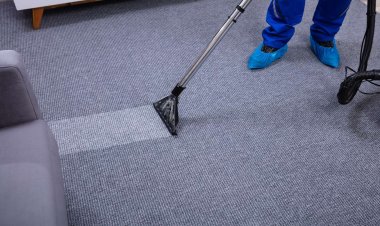
If you spot heavily stained patches, let the cleaning solution soak for a minute or two. Gently scrub the area using a non-abrasive pad, being careful not to damage the protective coating. When floors have thick grime buildup, occasional deep cleaning using a buffer, steamer, or professional-grade machinery might be warranted.
Step Four: Drying and Inspecting the Floor
After mopping or washing, it’s crucial to remove excess moisture. Leaving pools of water can cause slippery zones and raise the risk of warping or mildew growth. Use fans or open windows for faster drying, particularly on humid days. Double-check that the area is off-limits until the surface is dry, as footprints can create patches of dirt or water streaks.
Lastly, inspect the floor. Keep an eye out for faded patches or damage that may need extra care. This final check helps you stay on top of maintenance before small issues grow into expensive repairs. Once everything looks great, remove your caution signs and move furniture back into place.
Conclusion
Commercial floor maintenance doesn’t need to be a difficult chore. By following the 4 steps in floor cleaning and maintenance—preparing, sweeping, mopping, and drying—you set the foundation for a job well done. Plus, understanding the unique needs of different materials, like laminate flooring care and maintenance, helps you avoid damaging mishaps. A consistent schedule and wise product choices go a long way towards preventing stains, buckling, and everyday wear.
Remember that busy spaces may call for more frequent checks. Simple steps, like placing mats at entryways or rotating furniture, can have a big impact on your floor’s longevity. Whether you’re a small café welcoming regulars or a big retail chain serving thousands of customers each day, you can adapt your maintenance strategies to fit your setting.
Finally, don’t hesitate to seek professional flooring advice when needed. Experts can spot and address hidden trouble, saving you money and hassle in the long run. By treating your floors with the care they deserve, you’re investing in your business’s image, employee well-being, and overall commercial success. Here’s to keeping your flooring looking its absolute best for the long term.